All about door leaves
Clear: Door leaves are the central element of every door - along with Door frames and Door handles.
But: what types are there? What is it made of and how do you work them? Our guidebook gives you the answers.
Keeping out sound, protecting against gazes, sealing, letting light into the room, dividing rooms or protecting against burglars: Doors can have many functions. The purpose of the door is determined by the nature of the door leaf - the main body of any door.
Door leaf typology: from honeycomb to solid chip - from wood to glass
Wooden doors and their door leaves
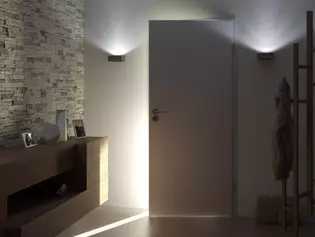
Door leaves made of wood materials are about 40 mm Width and have either a door rebate or a straight edge. In rebated doors, the edge of the door leaf rests on the door frame, which again rests on the wall. Thanks to a seal in the door rebate, less light, air or sound gets through. Butt doors have a straight door edge. Whether rebated or butted, the basic structure of the door leaf is always the same. They consist of a center ply, top ply and top layer. There are four different superstructures for the center layer of a door leaf - which determine the many properties of the door:
Door leaf insert: honeycomb insert
The beehive as a model: narrow-cell, hexagonal honeycomb structures are made from special cardboard. However, doors with honeycomb inserts are not very stable, they almost do not insulate and let sound through well - so they are suitable only if the purpose of the door is purely privacy.
Tubular chipboard as door leaf inlays
Tubular chipboard webs or strips are somewhat more stable than honeycomb inserts: Here, the center layer of the door leaf is assembled on seperate strips of tubular chipboard. A small distance between the webs provides somewhat better compressive stability than cardboard or paper honeycombs. Nevertheless, these door leaf inserts are only suitable for doors subject to low stress.
Tubular chipboard middle layer
A continuous panel of chipboard with horizontally drilled holes provides high surface stability and surface smoothness. They are the first choice for high-quality interior doors in apartments or houses. Doors with tubular chipboard as door leaf inserts can withstand heavier loads.
Solid chipboard door leaves
If the middle layer of the door leaf consists of a complete chipboard, the door becomes heavier, but also stronger and more resilient. This in turn means good insulating performance against sound, odors and cold - ideal for functional doors such as entrance doors.
Glass door leaves
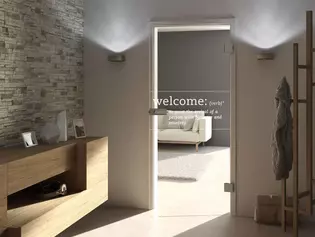
Glass doors bring light into any room - with transparent or translucent glass door panels made of toughened safety glass (Tempered safety glass) or laminated safety glass. Tempered safety glass is heat-treated glass with high impact and shock resistance. If tempered safety glass breaks, it produces small, blunt shards.
Laminated safety glass consists of two safety glasses bonded together by an internal tear-resistant film. When the glass breaks, the shards stick to the intermediate layer. By the way, Glass doors are always blunt. They have None rebate in the edge of the door leaf.
CPL and HPL door leaves
Doors made of laminate? There are: They consist of several layers of paper soaked in resin and pressed together. Doors made of high-pressure laminate (HPL) are up to 40 millimeters thick, while CPL door leaves have a maximum thickness of 15 millimeters. HPL stands for "high-pressure laminate" and CPL for "continuous-pressure laminate" - different ways of manufacturing laminate doors. Both finishes are easy to clean and, unlike some plastic doors, are lightfast.
Plastic door leaves
Doors made of plastic are durable, stable and easy to clean. The door leaves are cast. The material does not warp. Likewise, plastic has good insulating properties - None wonder that many front doors are made of plastic.
Door leaf designs for every interior style
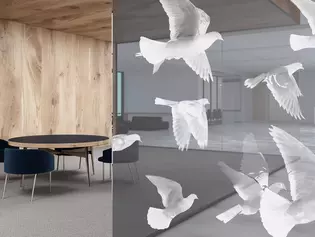
Door panels offer a diverse selection of designs to match a variety of interior styles. Whether you prefer a modern, minimalist look or a classic, timeless style, you will find the right door leaf. For a rustic charm, door leaves with a natural wood look and interesting textures are a great choice. For a modern ambiance, smooth door leaves are available in a variety of colors. Door leaves can also be customized with unique patterns and decorations to add a touch of individuality to the room.
At Griffwerk, we offer door leaves that meet the requirements of different interior styles and add a special character to your home.
Door leaves with special functions
Door leaves offer not only aesthetic appeal, but also practical functions that facilitate your everyday life. If you need a quiet and undisturbed space, soundproof door leaves are the ideal choice. They reduce noise from one room to another, giving you privacy and peace. For rooms where good thermal insulation is important, door leaves with insulating properties are useful to reduce energy consumption and ensure a comfortable room temperature. Door leaves are also available with security features such as burglary protection and fire protection to ensure your safety and improve the protection of your property.
Griffwerk door panels made of glass to measure
We understand that every doorway is unique and individual requirements must be met. That's why we offer custom glass door panels that perfectly fit your specific dimensions. Whether it's a standard doorway or an unusual size, our custom door panels provide a seamless fit and an aesthetically pleasing appearance. You can choose from a variety of materials, designs, and textures to customize the door panel according to your personal preferences and requirements. With our custom door leaves, you can be sure that your entryway or interior space will be stylish and inviting.
Care for lasting beauty
Advantageous are door leaves made of high quality materials and surface treatments that are durable and easy to clean. For wooden door leaves there are special surface coatings that protect them from scratches and wear and preserve their natural beauty. CPL door leaves are especially durable and resistant to scratches and stains.
Our Glass door leaves are effortless to keep clean with a glass cleaner and retain their clear shine. With minimal maintenance, our door leaves retain their aesthetic quality and functionality for many years.
How do I measure a door leaf?
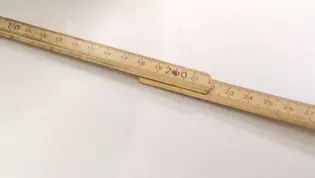
When measuring, pay attention to whether the door is a blunt or rebated doors. For blunt doors without a rebate in the edge of the door leaf, measure the Height, Width and Thickness of the door leaf with a folding rule.
For a rebated door, the outer door leaf dimension is the Height and Width of the door leaf including the edge.
How to shorten a door leaf?
In general, only experienced DIYers should shorten doors - all others are well advised to use craftsmen. Glass doors made of Safety glass should not even be shortened by the professional or the expert. Because of the stress ratio of the glass, the glass door would shatter when shortened.
Basic rules when shortening the door leaf:
- Hinged doors shorten below, Sliding doors shorten top.
- When shortening doors, it is best to use a precision saw with a guide rail.
- With a standard length of 1985 millimeters, different types of door leaf should be shortened by different amounts:
- Honeycomb core insert: maximum 15 mm
- Tubular strip insert: maximum 30 mm
- Tubular chipboard insert: maximum 30 mm
Solid chipboard insert: maximum 30 mm
What door leaves for the Sliding door?
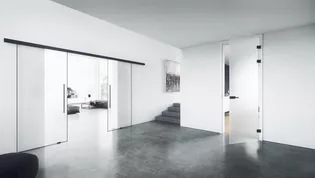
Glass, wood, CPL, HPL and plastic are suitable as sliding door leaves. Particularly popular indoors: Glass, because it brings daylight into any room, connects spaces and does so in different looks: clear and transparent, translucent Satin frosted or with decor such as engravings. Open Glass sliding doors exude a touch of loft character without being obtrusive - on the contrary: they are inconspicuous design elements with a great effect.
Door leaves: are there standard sizes?
The most common dimensions door leaves are 198.5 cm or 211.0 cm in height. The wall opening determines the width. The most common here are 61.0 cm to 98.5 cm for the door leaf width.
The most frequently asked questions about door leaves
What questions are most often asked about door panels? We found out using software that analyzes the questions people ask voice assistants from Apple, Google and others. We answer four of them here:
What can be the design of door leaves?
Door leaves can be plain or playful design. Wood door leaves can be smooth or decorated with playful ornaments. Made of glass, made of wood or a wooden door with glass elements. Frosted or pasted: glass door leaves can be made of glass of different colors.
How to distinguish a left-turning door leaf from a right-turning one?
A left-turning door leaf has the hinges on the left side when looking at the door from the outside, while a right-turning door leaf has the hinges on the right side.
What is the difference between a single-leaf and a double-leaf door leaf?
A single leaf door has only one door that opens while a double leaf door has two doors that open in opposite directions.
What materials are often used for door leaves?
Commonly used materials for door leaves are Wood, Glass, Plastic, Steel and Aluminum.