
Art Deco Interior Design: Glamour Meets Clear Forms
Geometric patterns, elegant materials, and bold colors: The Art Deco style embodies a unique blend of luxury and modern design. In the 1920s and 1930s, it shaped architecture, furniture design, and interior design. Today, Art Deco is experiencing a new interpretation as an interior design style—with clear lines, carefully chosen accents, and a blend of classic and modern elements.
But what defines the Art Deco style? Which colors, materials, and pieces of furniture are typical? And how can you create a modern Art Deco interior without making the rooms look cluttered?
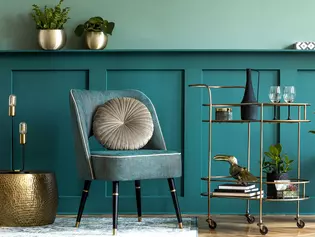
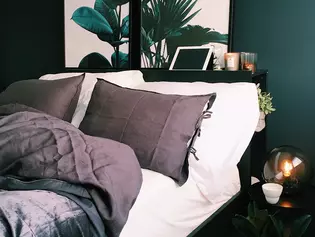
Art Deco emerged in the early decades of the 20th century and reached its peak during the so-called Golden Twenties. The term is derived from the 1925 Paris exhibition “Exposition internationale des arts décoratifs et industriels modernes.” The style reflected the spirit of optimism of an era marked by technological progress, social change, and a new understanding of luxury.
Unlike the whimsical Art Nouveau style with its floral ornaments, Art Deco emphasized clear geometry, symmetry, and stylized forms. Characteristic features include zigzag lines, fan patterns, sunbursts, arches, and stepped contours. At the same time, the design drew on influences from various cultures, including Egyptian motifs and non-European ornamentation.
The Art Deco style was not limited to interior design. Architecture, fashion, jewelry, graphic design, and everyday objects were also shaped by its distinctive design language. Numerous buildings, hotels, and pieces of furniture from this era have survived to this day.
Typical features of Art Deco design include:
- Geometric forms: Fans, diamonds, semicircles, zigzag patterns, and symmetrical ornaments characterize the design.
- Vibrant colors: Emerald green, midnight blue, burgundy, and Black often form the foundation. Cream white, beige, or delicate powder tones create a lighter contrast.
- Luxurious materials: Marble, glass, mirrors, brass, chrome, polished wood, and velvet provide a variety of finishes.
- Shiny accents: Metal details lend furniture, lighting, and fittings an elegant look.
- Distinctive furniture: Curved sofas, rounded armchairs, and geometrically designed sideboards combine comfort with an expressive design language.
A particularly characteristic feature is the interplay of different finishes. Velvet meets shiny metal, dark wood meets light marble, and clear lines meet curved furniture contours. What matters here is not the quantity of decorative elements, but their deliberate interplay. Art Deco enthusiasts today therefore often prefer a mix of styles—bright rooms paired with Art Deco furniture, lamps, artwork, and accessories—where brass, as a standout hallmark of the era, is a must.
Doors and fittings for a touch Art Deco
Doors and door fittings have a greater impact on the feel of a room than it might seem at first glance. They are integral design elements of an interior and connect adjacent living spaces.
In the Art Deco style in particular, it’s therefore worth incorporating doors and fittings into the overall design concept. Geometric glass patterns, high-quality metal finishes, and distinctive handle shapes can echo the design language of this interior style.
That said, not every detail needs to be eye-catching. Often, a combination of clear-cut doors, carefully selected patterns, and a matching door handle creates a particularly harmonious look. The key is that
Doors & Art Deco
Historic Art Deco doors were often characterized by dark wood finishes, symmetrical ornamentation, and geometrically designed glass inserts. Typical features included, for example, oval, round, or rectangular glazing cut-outs, as well as decorative linear patterns.
Both wooden doors and glass doors are suitable for a contemporary interpretation. While wooden doors lend a room a calm, enclosed feel, glass doors allow light to flow between adjacent areas and create a sense of visual openness.
Glass doors with graphic designs are particularly interesting. Their patterns can echo the geometric design language of Art Deco without requiring additional ornamentation on walls or furniture.
If you want to emphasize the light and modernity of your home and add just a subtle touch of Art Deco, our All-glass doors with Art Deco-inspired patterns are the best choice: The DECO 583, DECO R8, and DECO 655glass doors are perfect eye-catchers for your modern home with an Art Deco flair:

Deco 583: This glass design features a clear, geometric aesthetic and is particularly well-suited for a modern take on the Art Deco style. It pairs well with light-colored walls, sleek furniture, and subtle metallic accents. If you want to use geometric patterns strategically, a glass door like this can serve as a focal point without requiring you to go to great lengths to decorate the entire room.
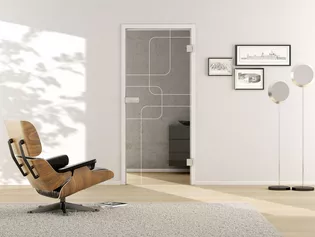
Deco R8: This glass design blends particularly well into interiors characterized by clear lines and graphic patterns. When paired with dark upholstered furniture, rounded armchairs, or geometric-shaped lighting fixtures, it creates a blend of classic Art Deco aesthetics and contemporary interior design. At the same time, the glass surface ensures that the Door appears light and airy despite its decorative elements.

Deco 655: With its decorative style, this glass design is ideal for living spaces where curved forms and expressive patterns play a key role. It looks particularly harmonious when paired with organically shaped furniture, warm materials, and subtle wall colors. This allows the door to serve as a design accent without competing with other interior elements.
If you want to put more focus on the original, you should go for wooden doors with light cutouts. You can have the light cutout decorated with a matching decor from our door catalogs or send us a personal design in Art Deco style. We will then print this design on your light cutout.
Art Deco & Fittings
Brass, chrome, and shiny metal surfaces are among the characteristic design elements of the Art Deco style. They can be found on furniture legs, light fixtures, mirror frames, and decorative accessories—as well as on door handles and fittings.
Door handles, in particular, are ideal for carrying a living style through to the very last detail. Unlike decorative accessories, they serve a daily function and are touched regularly. In addition to their visual appeal, it is therefore important that they feel pleasant to the touch, have an ergonomic Form, and feature high-quality craftsmanship.
For an Art Deco-style interior, various combinations are possible:
Brass and gold tones emphasize the warm, elegant character of the style. They look particularly harmonious with dark green, burgundy, creamy white, or natural wood tones.
Chrome and silver-colored finishes create a cooler, more understated effect. They pair well with graphic black-and-white contrasts, mirrors, and bright rooms.
Graphite black with metallic accents combines the characteristic contrasts of Art Deco with a modern, understated design. This combination is particularly suitable when you don’t want the interior style to appear too opulent.
The form of the door handle is also crucial. Geometrically designed handles with clear contours echo the architectural aspect of Art Deco. Gently rounded shapes, on the other hand, create a connection to the curved furniture and decorative elements of the style.
The GRIFFWERK collection features a variety of door handle designs suitable for different interpretations of Art Deco interiors.
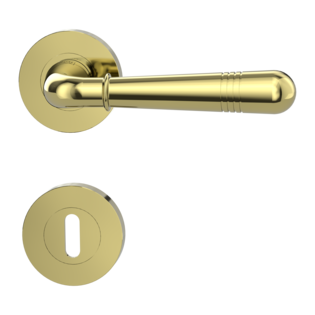
Fabia and Fabio: In brass the absolute eye-catcher, who likes it a little more discreet, chooses chrome. The straight cone shape with round finish and decorative rings beautifully combines the beginnings of Art Deco with the traditional elements from the time before.
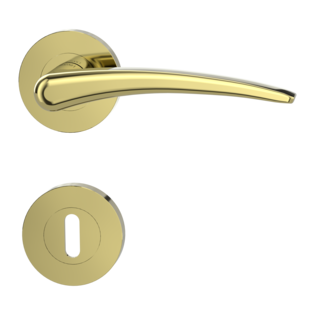
Marisa: This door handle in brass finish is the epitome of Art Deco aesthetics: it combines curves and simplicity, ergonomics and elegance is not too eye-catching, but it does not hide either.

Lucia Select with copper or brass application: A subtle reference to the colors and styles of Art Deco, with a modern touch in graphite black. This door handle does not catch the eye, but fits harmoniously into any Art Deco interior.
If you need advice on furnishing in Art Deco style or other furnishing styles, we at Griffwerk will be happy to help.