
Door handles: Once upon a time there was a Schlinke
From the sling to the iron bar: the origins
The history of the door handle begins way back in the Middle Ages, when the term "Schlinke" (latch) first appeared. Originally, the term referred to a strap or "sling" that could be used to open an internal bolt from the outside. This simple but effective method was widely used and formed the basis for today's door handle.
The development of the modern door handle
The latch evolved over time. From a simple strap, it evolved into an iron latch and finally into the modern door handle we know today. This evolution not only changed the way they look and function, but also the way we use doors in our daily lives.

Why "Door handles" are no longer up to date
From pull to push: a change in function
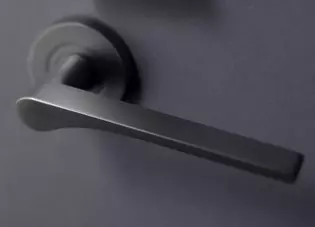
Today's model of a Door handle differs fundamentally from its medieval predecessors. Instead of pulling, the handle is now pushed down to release the locking mechanism of a Room door. This change in the operating method makes the terms "door handle" or "Lever handle" much more appropriate.
The logic behind the term "Lever handle"
The modern Door handle, better known as the Lever handle, is part of a complex mechanism. It is not only pressed down to open a door, but also serves as a handle when you push against the door. This is particularly true of front doors, where there is often a lever handle on one side and a door handle on the other.
Door handles in a modern design
Diversity in form and function
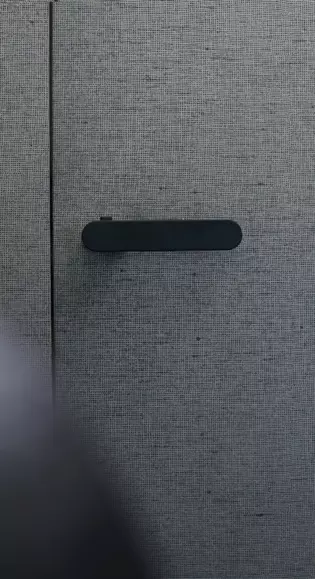
Today's Door handles - or rather Door handles and Lever handles - are available in numerous designs. They range from classic designs with Long backplates to modern variants with short backplates or rosettes. There are also variations in the way they work, such as Alternate sets, which have a Door handles on one side and a round Lever handle on the other.
Personalized selection for every home
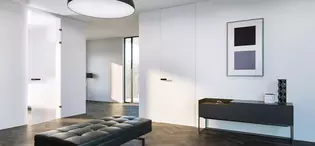
When choosing a Door handles for your home, you should consider both functionality and aesthetics. Suppliers like us at Griffwerk offer a wide range of options to suit any interior. From classic to modern, there are solutions to suit every taste and design concept.
Conclusion: A timeless helper in transition
Although the term "Door handle" has been used for centuries, the history of development clearly shows that the term "Door handle" or"Lever handle" is more appropriate today. These terms better reflect the functionality and design of modern Door handles. Regardless of the name, Door handles remain an indispensable part of our everyday lives, ensuring comfort and security in our living spaces.
Ergonomics and technology: the door handle as a sophisticated functional element
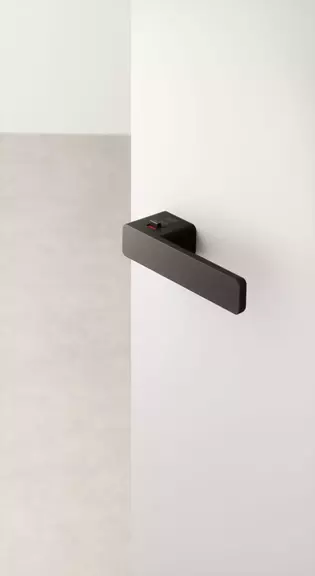
One aspect of the door handle that is often underestimated is its technical and ergonomic design. Modern models are not only based on design, but also on safety-relevant and haptic requirements. Many door handles have special shapes such as thumb rests or ergonomically curved handles that promote comfortable operation - particularly important in public buildings or barrier-free housing. The so-called offset, i.e. the slight angle in the shape of the handle, also follows a standard and is intended to prevent clothing from getting caught or causing injury to the door frame. High-quality materials such as stainless steel or anodized aluminium also ensure durability and hygiene. This makes the door handle far more than just a control element - it is a functional detail with high design and technical relevance.


What you should consider before buying a door handle and in everyday life
Terms are one thing - handling and suitability for everyday use are another. Before making a decision, briefly check the following points:
- Ergonomics: does the shape fit your hand naturally? Look for soft edges, sufficient recess to the door and a full return (no "hanging down" of the lever).
- Design & use:BB (Buntbart) is usually sufficient for room doors, PZ (profile cylinder) for apartment entrances and WC locking for bathrooms. One-handed operation is convenient in family households, while discreet locking is important in the home office/bathroom.
- Surface & feel: Stainless steel is easy to clean and timeless; matt, silky finishes feel warmer and dampen reflections - ideal for calm interiors. Match the color of the handle, hinges, security fitting and window handles.
- Installation compatibility: Do the square dimensions, door thickness and drilling pattern match? For renovations, long escutcheons conceal old drill holes, rosettes look minimalist.
- Durability & maintenance:Tighten screws once a year, check the return spring and clean the surface gently (no abrasive or chlorinated agents). This keeps the fitting free of play and visually clean.
- Accessibility & safety: Choose a reach height that is suitable for children and older people; rounded shapes and clear contrasts to the door are useful in passageways.
Quick check for choice, style and future-proofing
Before you decide which door handle to choose, it's worth taking a quick look at the bigger picture - for ease of use today and flexibility tomorrow:
- Room profile & volume: in bedrooms/study rooms, a quiet return pays off; heavy doors benefit from stable substructures (no resonance).
- Style consistency: Choose a surface set (e.g. graphite black, matt stainless steel or a silky matt gray) and use it throughout your home - even for window handles and protective fittings. This creates a harmonious effect and reduces subsequent replacement costs.
- Cleaning & hygiene: Give preference to finely brushed or matt surfaces if fingerprints are a nuisance. Establish a short maintenance routine (wipe with a damp cloth, mild agent, polish dry).
- Reach height & ergonomics: Test the reach height with all household members. Softly rounded handles with sufficient recess are more comfortable for small hands and senior citizens.
- Retrofit options: Check whether the selected series offers variants (escutcheon/long plate, BB/PZ/WC, smart locking if necessary) - this way you remain compatible when converting or changing users without breaking the look.
- Installation & existingdoors: In existing doors, long backplates conceal old drilling patterns; for rosettes, ensure drilling pattern compatibility and door thickness. Have dimensions and a photo of the existing fitting to hand - this speeds up ordering and installation.